
Simpifying Cooking
If onion lays the foundation, garlic strikes the first spark. Small, pale, and unassuming, garlic has the power to shift a dish from quiet to unforgettable in seconds. It does not whisper. It announces.
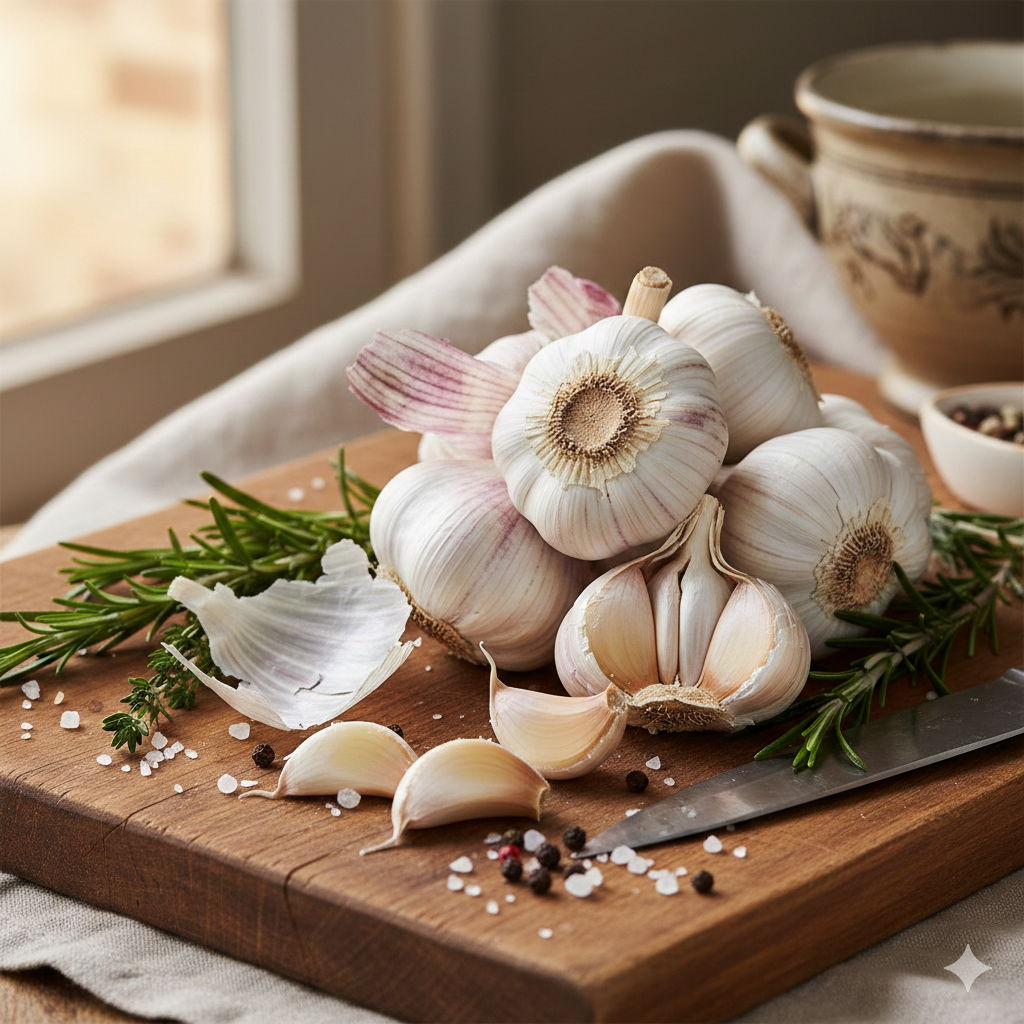
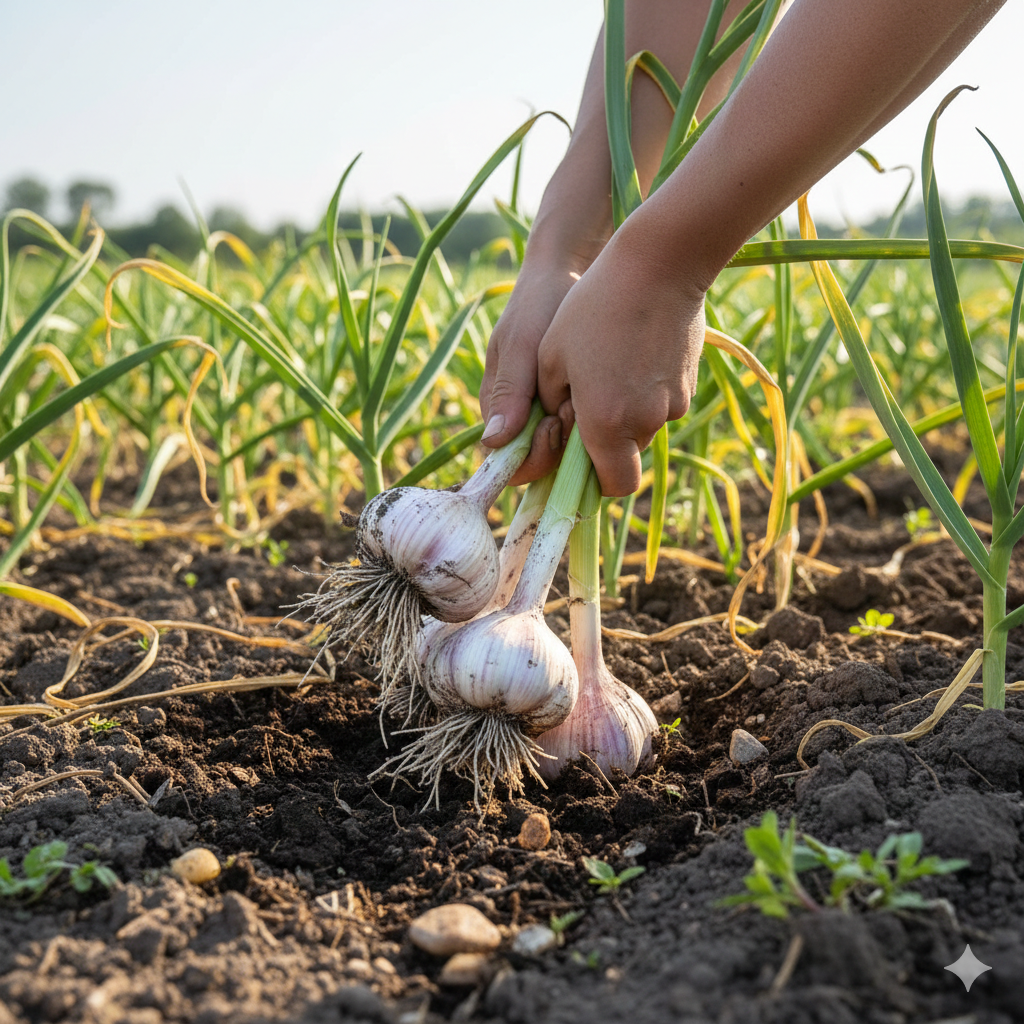
Garlic, scientifically known as Allium sativum, belongs to the same allium family as onions, leeks, and chives. It grows as a bulb made up of individual cloves, each wrapped in a thin papery skin. Inside those cloves lives an intense concentration of flavor that has shaped cuisines across the world for centuries.
From Indian tadkas to Italian pasta sauces, from Middle Eastern dips to East Asian stir fries, garlic is less an ingredient and more a global language of taste.
Garlic is a root vegetable cultivated for thousands of years. Each bulb contains multiple cloves arranged in a circular pattern. When raw, garlic has a sharp, almost spicy bite. When cooked, it becomes mellow, nutty, and slightly sweet.
There are two main types:
Softneck garlic: Common in markets, longer shelf life, smaller cloves.
Hardneck garlic: Fewer but larger cloves, often stronger in flavor.
Fresh garlic should feel firm and tight, with dry outer skin and no green sprouts.
Garlic is a flavor amplifier. Even a small amount can transform a dish completely.
Garlic introduces a savory richness that enhances other ingredients. It strengthens the flavor of vegetables, deepens sauces, and enriches marinades.
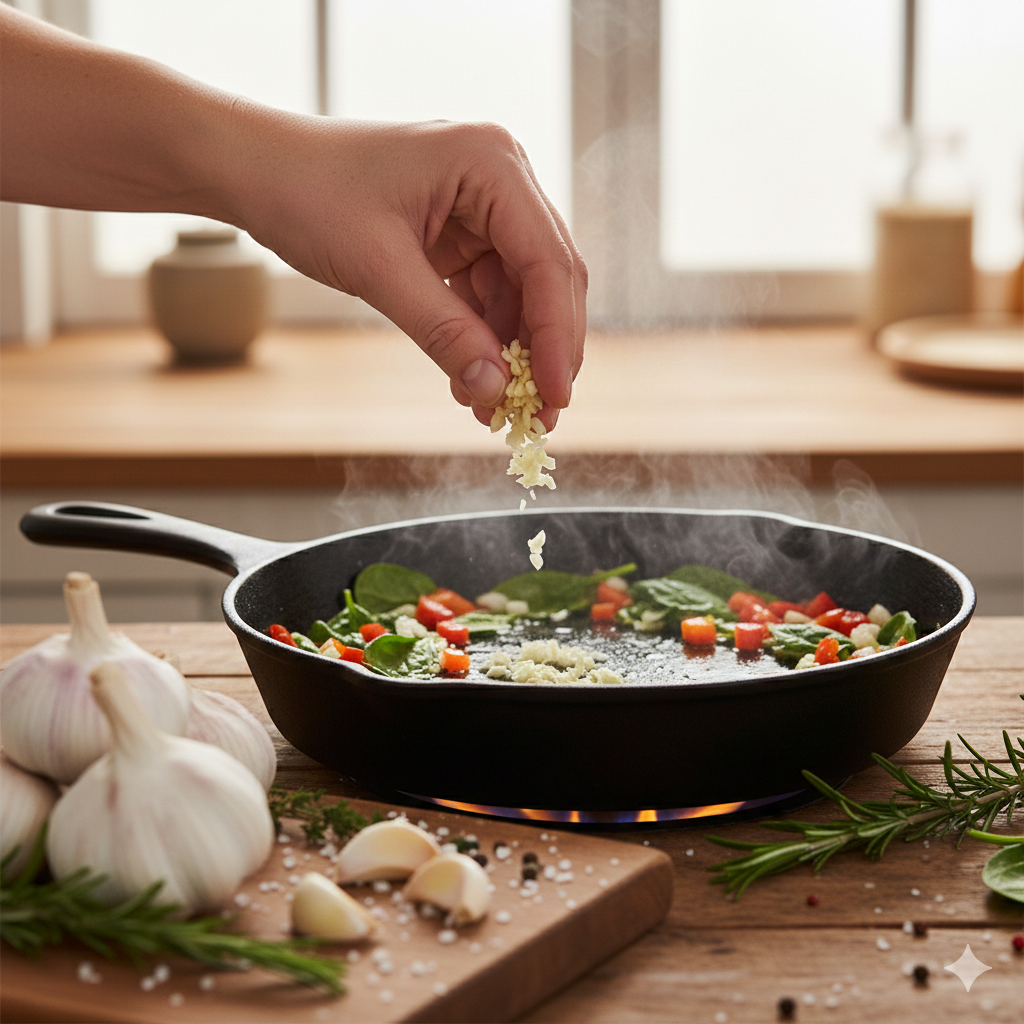
When garlic hits hot oil, its fragrance rises instantly. That aroma signals the beginning of something delicious. It creates warmth and complexity that lingers in the air and on the palate.
Garlic balances sweetness and acidity. In tomato based dishes, it rounds sharp edges. In creamy dishes, it prevents blandness. In spicy food, it adds grounding depth.
Garlic changes dramatically depending on how you treat it.
Raw garlic: Sharp, pungent, spicy. Best in chutneys, dips, dressings.
Lightly sautéed: Mild, aromatic, slightly sweet. Perfect for everyday cooking.
Golden brown: Nutty and rich, great for tempering dal or pasta.
Burnt garlic: Bitter. Garlic cooks quickly, so timing matters.
When garlic is chopped or crushed, enzymes activate and create strong sulfur compounds. Heat softens these compounds, turning intensity into warmth.
The finer you cut it, the stronger the flavor release.
The most common method. Heat oil first, then add chopped or sliced garlic. Cook briefly until fragrant, about 20 to 30 seconds. Do not let it darken too much.
Used in:
Curries
Stir fries
Pasta
Vegetable dishes
In Indian cooking, garlic is often sliced or crushed and fried in hot oil or ghee along with cumin or mustard seeds. This infused oil is poured over dal or sabzi to add aroma.
Whole garlic bulbs roasted in the oven become soft, creamy, and slightly sweet. Roasted garlic can be spread on bread or mixed into mashed potatoes.
Finely minced raw garlic adds boldness to:
Salad dressings
Chutneys
Yogurt dips
Marinades
Blending garlic into a smooth paste helps distribute flavor evenly in gravies and marinades.
Garlic may be small, but it carries remarkable strength in cooking. From sharp raw heat to mellow roasted sweetness, it adapts to the needs of the dish. It enhances, deepens, and energizes flavors without demanding attention for itself.
And just like onion, the way you slice, crush, or mince garlic determines how boldly it speaks in your recipe. Mastering its cuts and cooking time unlocks one of the most powerful tools in the kitchen.