
From Ancient Routes to Modern Kitchens

Spices are the quiet storytellers of the kitchen. Long before recipes were written down, roots, seeds, barks, and berries were being crushed to preserve food, heal bodies, and please the senses. In ancient India, spices like turmeric, black pepper, and cardamom were part of daily life and ritual, valued as much for their medicinal qualities as for their aroma. Across civilizations, spices shaped diets, cultures, and even beliefs, turning cooking into an act of both survival and expression.

Their journey across the world followed the great trade networks, most famously the Silk Road. This web of land and sea routes connected India, China, the Middle East, Africa, and Europe, carrying spices alongside silk, ideas, and languages. Pepper traveled west in caravans, cinnamon and cloves crossed oceans, and entire empires rose around the control of these precious flavors. Spices were once worth their weight in gold, driving exploration, diplomacy, and sometimes conflict, all in the pursuit of taste and preservation.

Today, spices are no longer rare treasures locked in royal chests. They live in everyday kitchens, tucked into steel boxes and glass jars, grounding modern cooking in ancient history. Every pinch carries echoes of long journeys, bustling markets, and shared tables. Spices remind us that food is never just food. It is memory, movement, and a continuing conversation between cultures, simmering gently with time.

Whole Spices

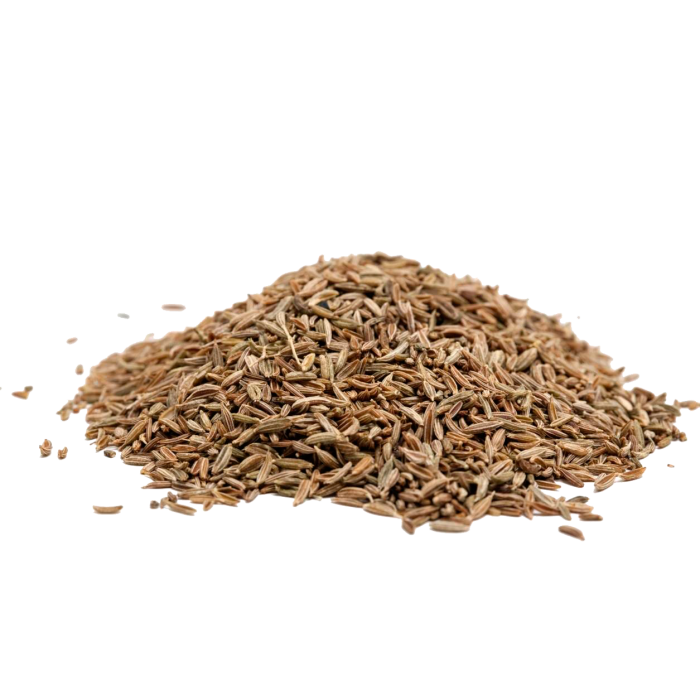
Jeera (Cumin Seeds)

Jeera, or cumin seeds, are small aromatic seeds with a warm, earthy, and slightly nutty flavor. A staple in Indian cooking, they are often the first ingredient added to hot oil. When bloomed, jeera releases a deep, savory aroma that forms the base of many curries, dals, and vegetable dishes.
View More

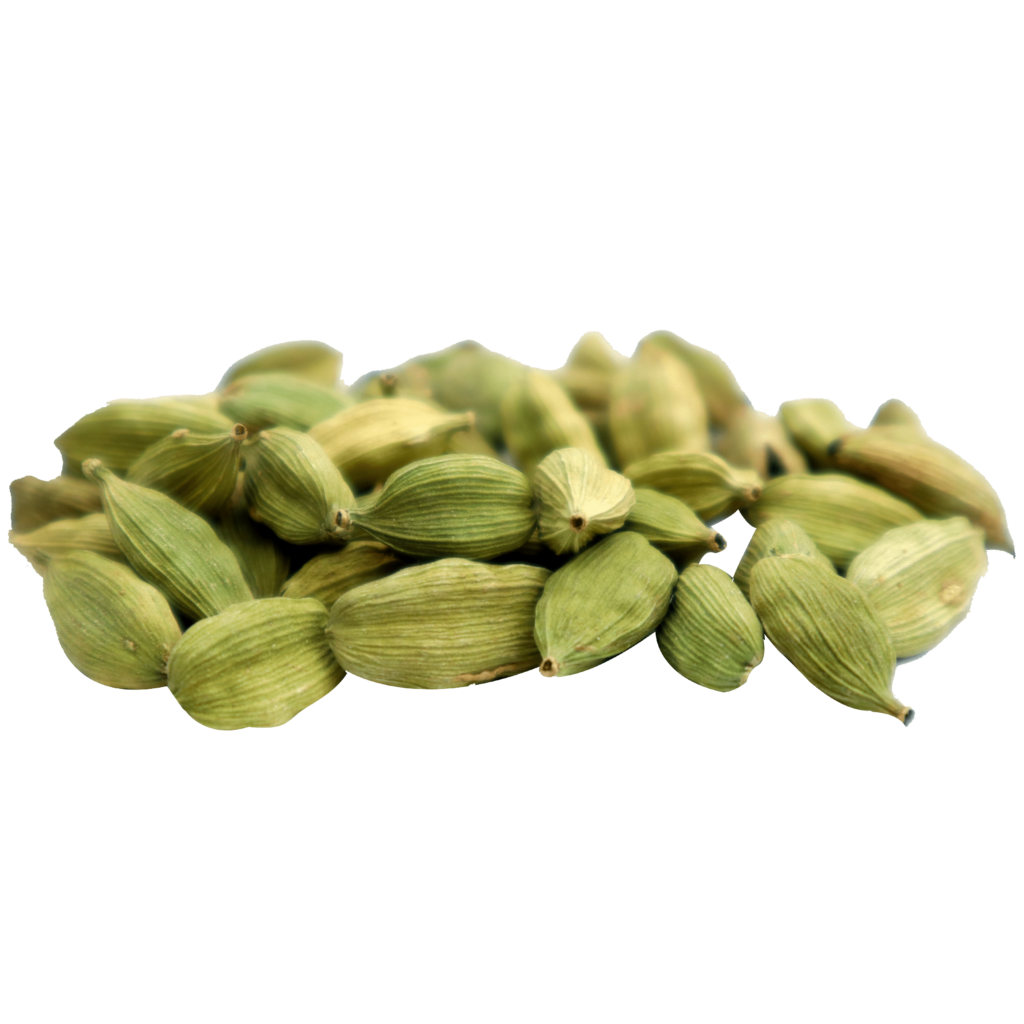
Elaichi (Cardamom)

Cardamom is a fragrant seed pod prized for its fresh, citrusy, and slightly sweet aroma. A cornerstone of Indian cooking, it brightens dishes while adding a refined, almost floral warmth. Used whole or ground, cardamom lifts biryanis, sweets, and beverages with a clean, elegant finish.
View more
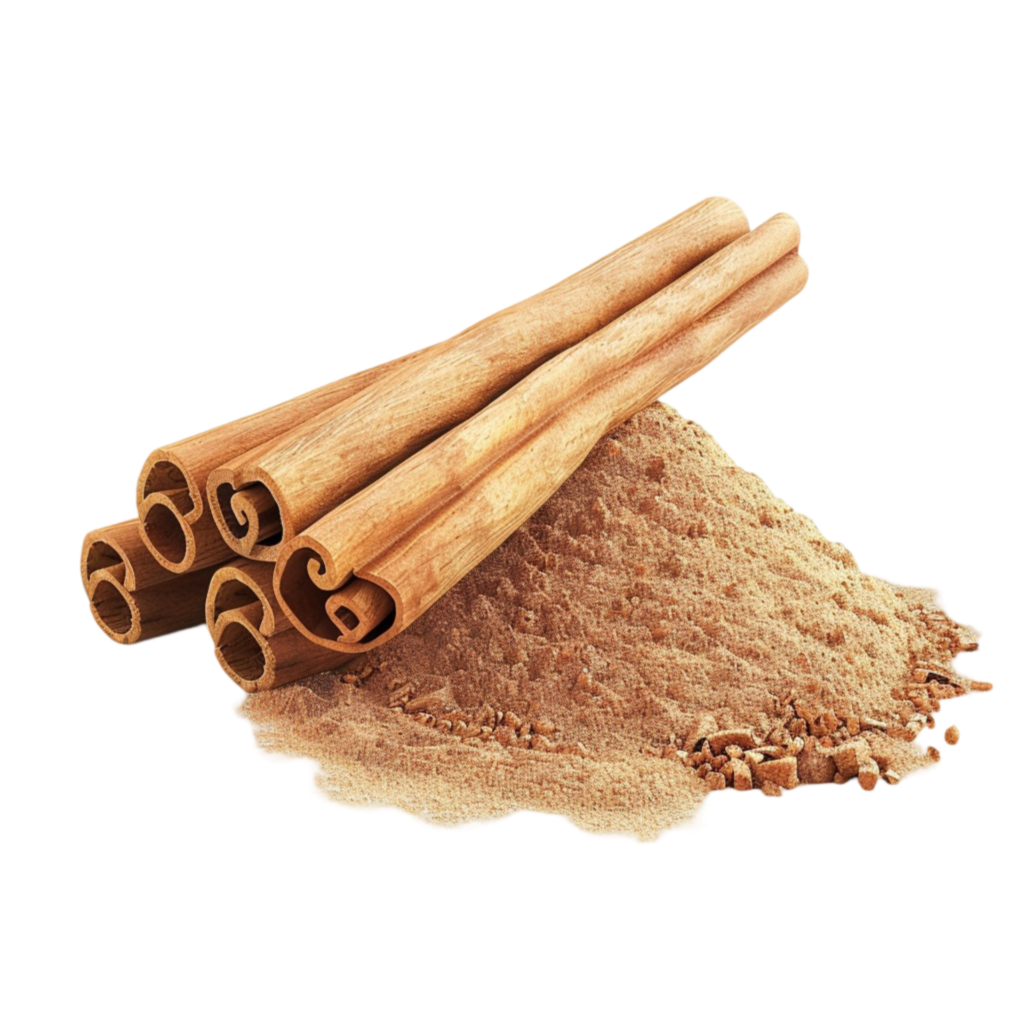
Cinnamon Sticks with powder

Dalchini (Cinnamon)

Cinnamon is the aromatic bark of a tree, known for its warm, sweet, and slightly woody flavor. Widely used in Indian, Middle Eastern, and global cuisines, it adds gentle sweetness and depth to both savory and sweet dishes. When simmered or slow-cooked, cinnamon brings a comforting warmth and a soft, lingering aroma to curries, rice, and desserts.
View More

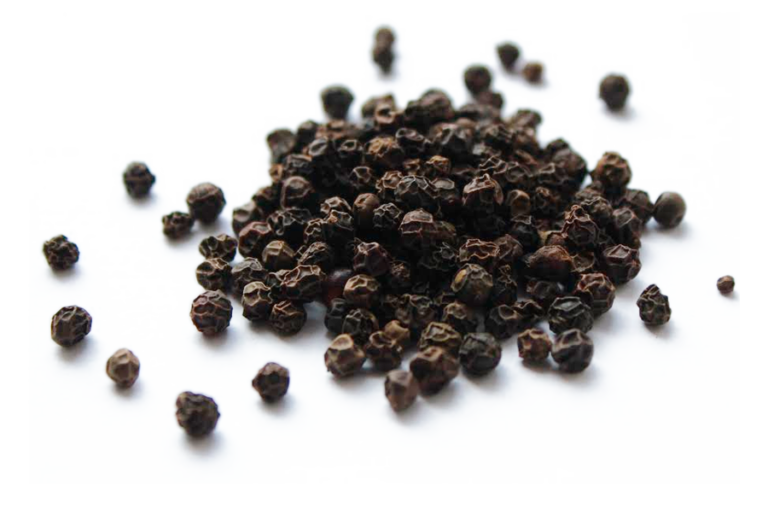
Kali Mirch (Black Peppercorns)

Black peppercorns are dried berries known for their bold heat and woody, slightly citrusy notes. Used across cuisines worldwide, they add warmth without overpowering a dish. Crushed or freshly ground, black pepper enhances flavor and leaves a clean, lingering spice.
View more

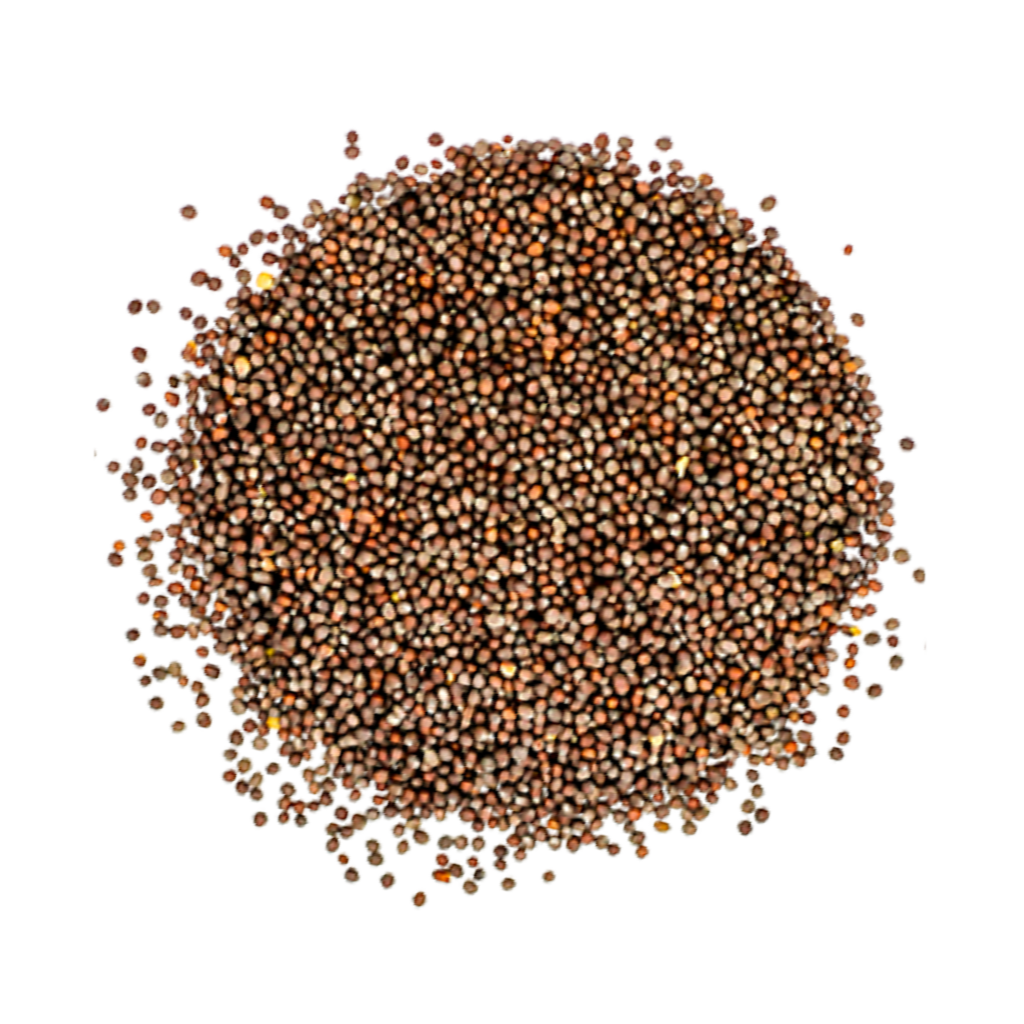
Sarso (Mustard Seeds)

Mustard seeds are tiny seeds with a sharp, pungent flavor that softens when cooked. Common in Indian cooking, they are often tempered in hot oil until they pop and release a nutty aroma. This process adds brightness, mild heat, and depth to dals, vegetables, and curries.
View more

Ground Spices

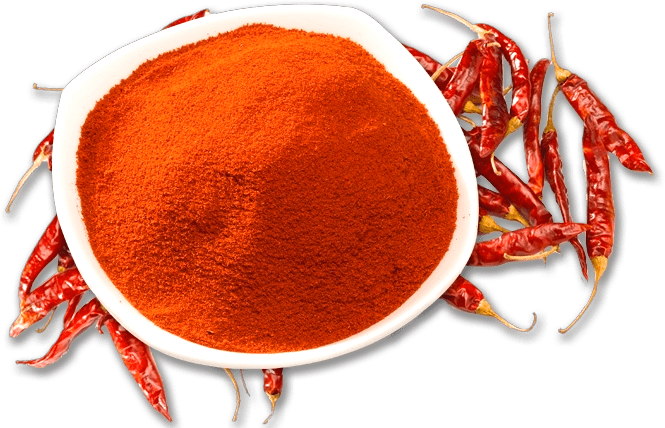
Lal Mirch (Red Chili Powder)

Red chili powder is made from dried red chilies and is known for its vibrant color and fiery heat. A staple in Indian cooking, it brings both spice and visual richness to a dish. Used in varying amounts, red chili powder adds sharp warmth and a bold kick that wakes up curries, vegetables, and marinades.
View More
Turmeric

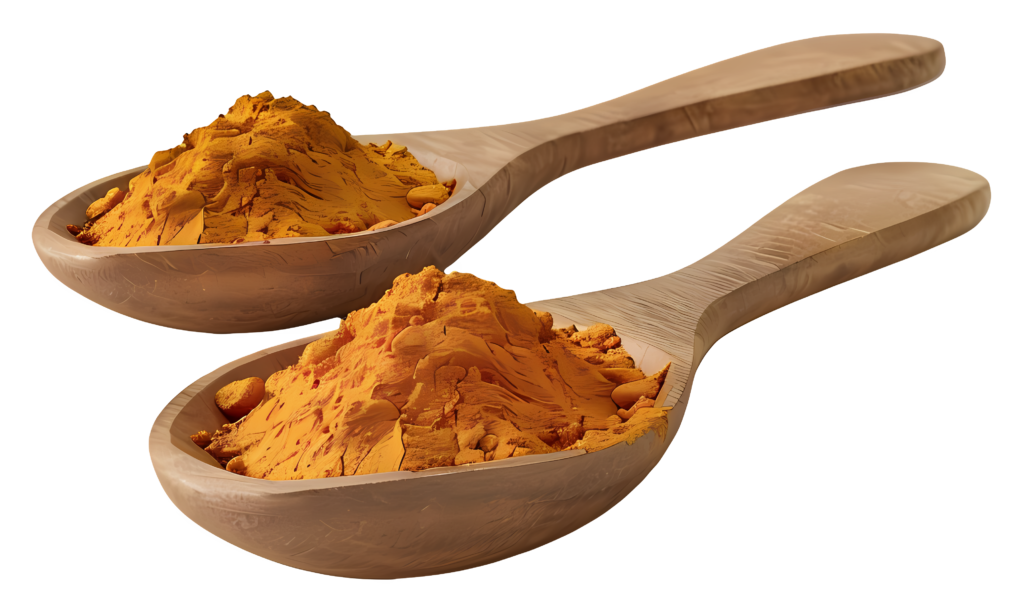
Haldi Powder (Turmeric)

Haldi powder is ground from dried turmeric root and is valued for its earthy, slightly bitter flavor and golden color. Essential to Indian cooking, it forms the base of countless dishes. Added early in cooking, haldi gives food warmth, balance, and a subtle depth while lending its signature golden glow.
View More

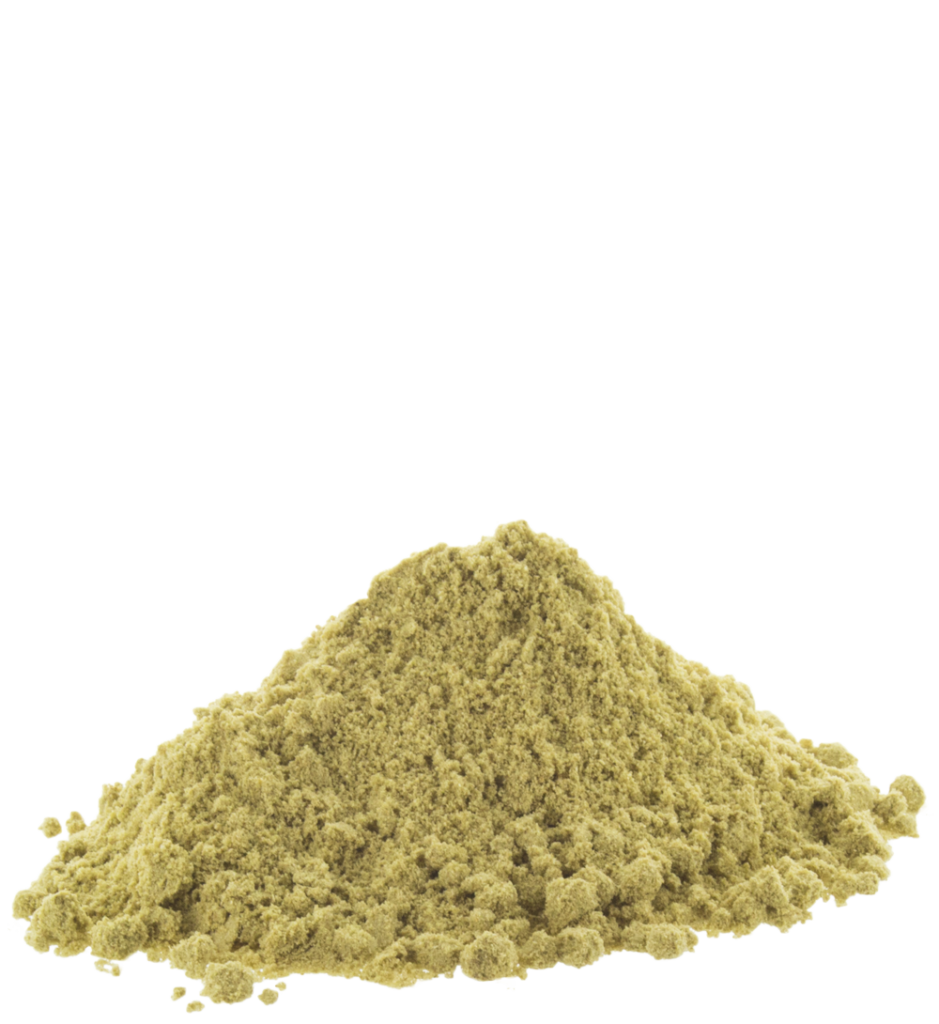
Dhaniya Powder (Coriander Powder)

Coriander powder is made from dried coriander seeds and has a mild, earthy, and slightly citrusy flavor. Commonly used in Indian cooking, it adds balance and body to dishes. Used as a base spice, it softens heat and brings a rounded, comforting depth to curries and vegetables.
View more

Hing (Asafetida)

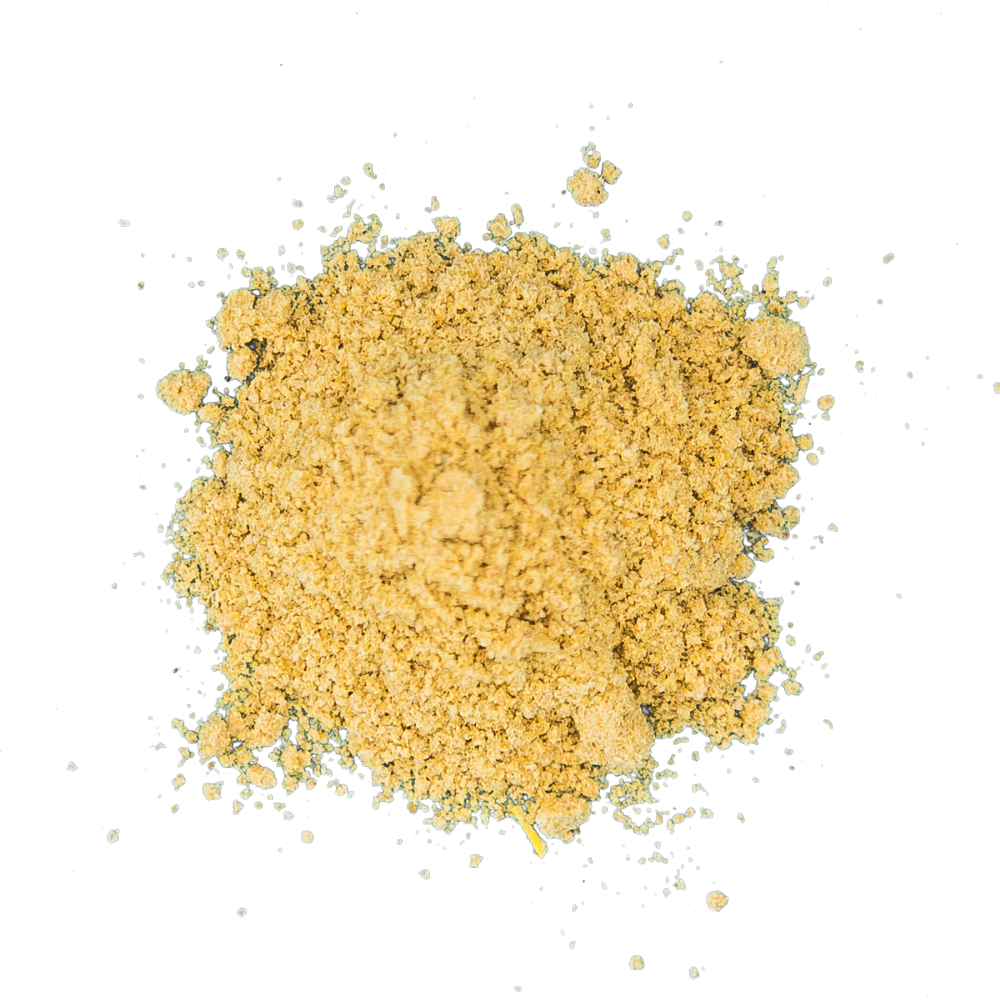
Hing is a strong, aromatic resin with a pungent raw smell that mellows beautifully when cooked. Used in very small quantities, it adds savory depth and aids balance, especially in lentils and vegetables. When bloomed in hot oil, hing brings a subtle umami richness to the dish.
View More

Garam Masala

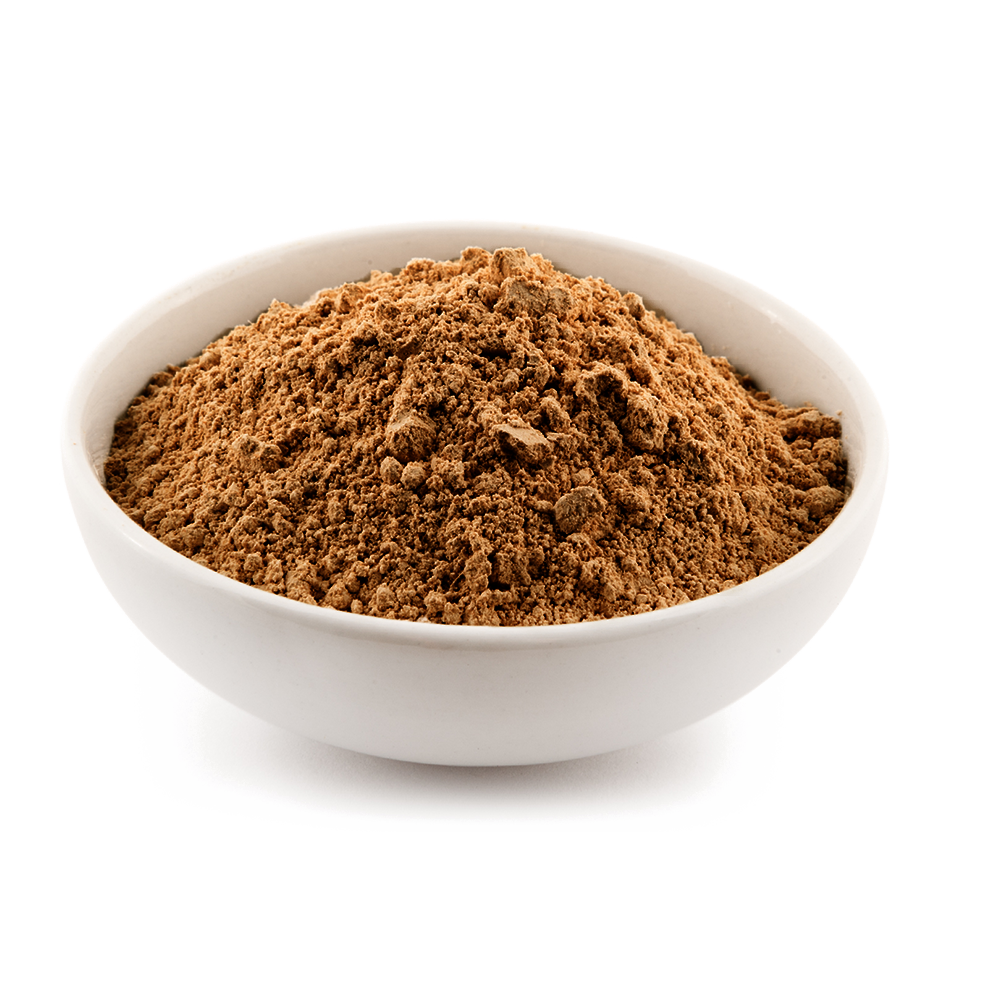
Garam masala is a fragrant blend of warming spices, each contributing depth and aroma rather than heat. Added toward the end of cooking, it enhances flavor and ties the dish together. Garam masala gives food a rich, finished character with a lingering warmth.
View more
Scroll to Top