All About Onions
If the kitchen were a kingdom, onion would be the quiet strategist in the corner, mapping out flavor before anyone else steps onto the stage. Modest in appearance, layered in personality, and capable of drama when sliced, the onion is less an ingredient and more a foundation stone of cooking across continents.
What is an Onion?
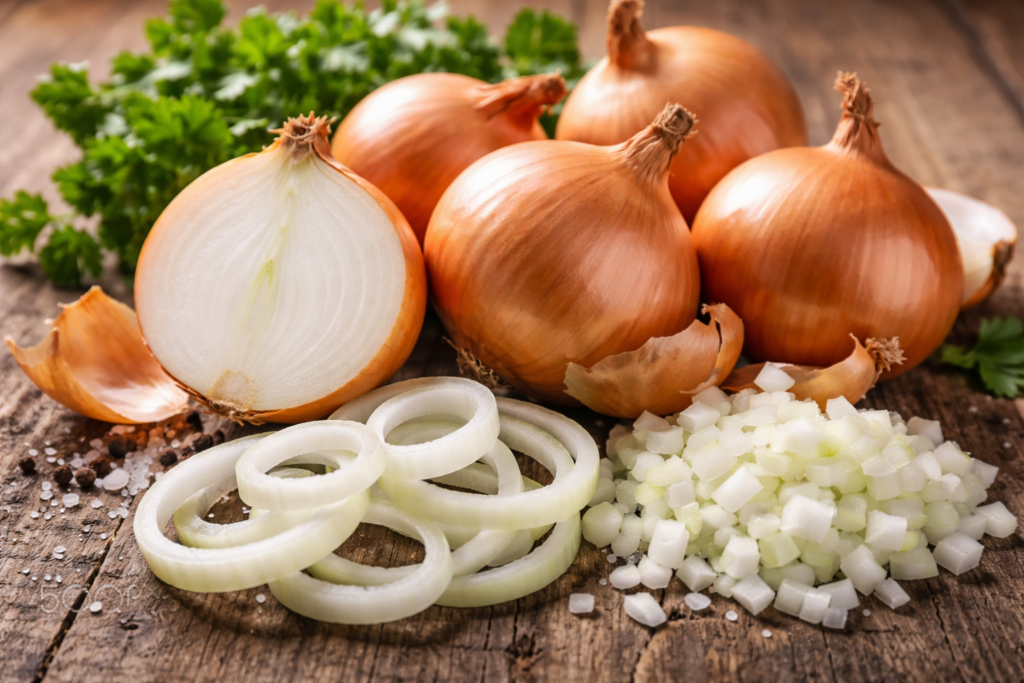
The onion, scientifically known as Allium cepa, belongs to the allium family, which also includes garlic, leeks, and chives. It grows as a bulb beneath the soil, forming tight concentric layers that store nutrients. Those layers are not just botanical design. They are the reason onion cooks the way it does.
Onions are cultivated worldwide and come in many varieties:
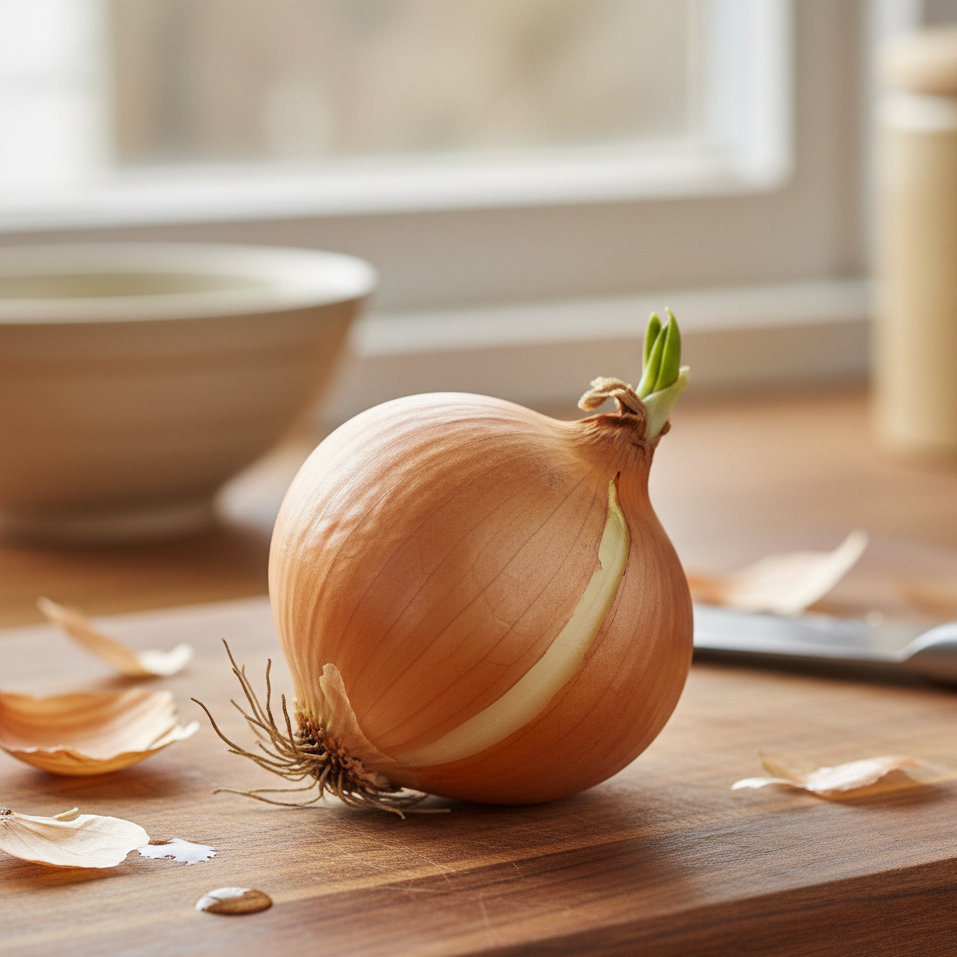
Yellow onions: The everyday workhorse. Balanced flavor, perfect for sautéing and slow cooking.
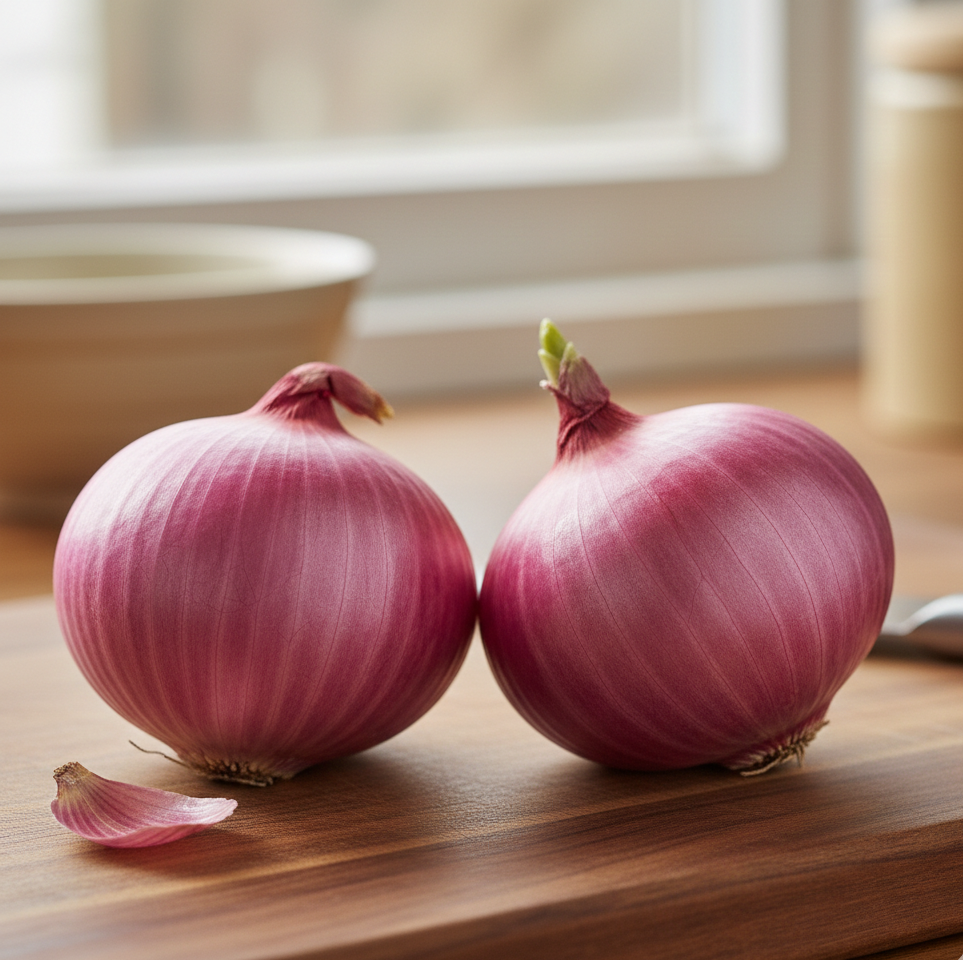
Red onions: Slightly sweet and sharp, often used raw in salads or pickled.
White onions: Cleaner, brighter taste, common in Mexican and South Asian cuisines.
Shallots: Smaller, more delicate, slightly sweet and complex.
From ancient kitchens to modern restaurants, onions have been a culinary constant. Civilizations valued them for their storage life, affordability, and ability to elevate even the simplest grains or stews.
How Onion Works in the Kitchen?
1. It Builds the Flavor Base
Many recipes begin with onions sizzling in oil or butter. This step is not decorative. When onions are gently cooked, they release sugars that caramelize and create depth. That golden softness becomes the flavor platform upon which spices, vegetables, lentils, or meats stand.
In Indian cooking, onions form the backbone of masalas. In French cuisine, they begin soups and sauces. In Middle Eastern dishes, they soften into rice and stews. Across cultures, the first sound of cooking is often the quiet hiss of onions meeting heat.
2. It Balances and Binds
Onions bring sweetness, mild bitterness, and savory undertones. They soften acidity in tomato-based dishes, round out spices in curries, and add juiciness to fillings.
Raw onion delivers sharpness and crunch. Cooked onion delivers sweetness and body. Few ingredients can swing between bold and gentle so easily.
3. It Adds Aroma
The distinctive aroma of onion comes from sulfur compounds released when it is cut. These compounds are responsible for the familiar sting in the eyes and the savory scent that rises from a hot pan.
When heated, these sharp sulfur notes mellow into a warm, inviting fragrance. It is that transition, from pungent to sweet and savory, that makes onions so powerful in cooking.
Onions are cultivated worldwide and come in many varieties:
Yellow onions: The everyday workhorse. Balanced flavor, perfect for sautéing and slow cooking.
Red onions: Slightly sweet and sharp, often used raw in salads or pickled.
White onions: Cleaner, brighter taste, common in Mexican and South Asian cuisines.
Shallots: Smaller, more delicate, slightly sweet and complex.
From ancient kitchens to modern restaurants, onions have been a culinary constant. Civilizations valued them for their storage life, affordability, and ability to elevate even the simplest grains or stews.
How to Use Onion in the Kitchen?
Onions are astonishingly versatile. Here are common ways to use them:
Sautéing
Finely chopped or sliced onions cooked in oil over medium heat create a flavor base for curries, gravies, soups, and sauces. Cook until translucent for mild flavor. Cook until golden brown for deeper richness.
Caramelizing
Thinly sliced onions cooked slowly over low heat for 30 to 45 minutes become deeply sweet and brown. Caramelized onions are perfect for sandwiches, pizzas, pulao, pasta, or layered into wraps.
Raw Use
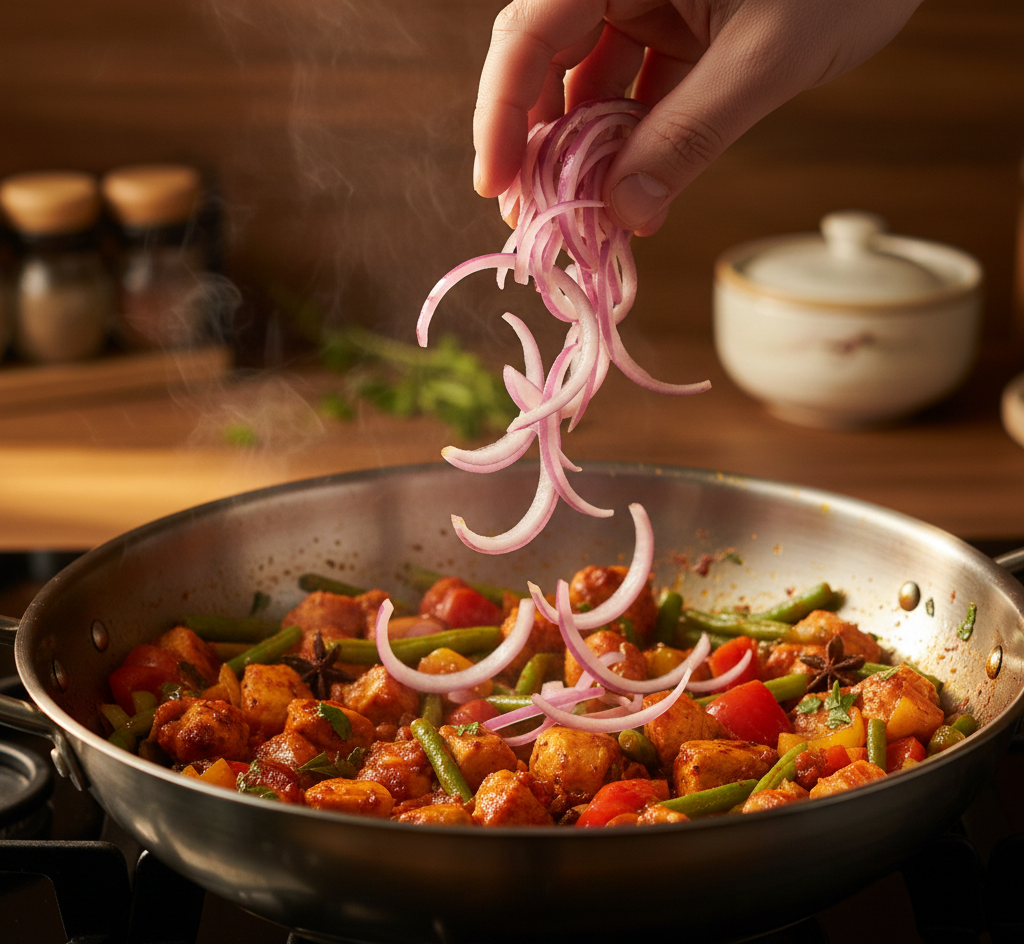
Red or white onions thinly sliced add crunch and brightness to salads, chaat, sandwiches, and burgers. A squeeze of lemon or a sprinkle of salt can soften their bite.
Pickling
Soak thin slices in vinegar, salt, and a little sugar. Within minutes, they turn vibrant and tangy. Pickled onions lift tacos, kebabs, and rice dishes with a bright contrast.
Blended
In many gravies, onions are blended into a paste after sautéing. This thickens the sauce naturally without flour or cream.
Roasted
Quartered onions roasted in the oven develop smoky sweetness. Perfect alongside vegetables or meats.
How to Chop Onion: Styles and Techniques
The way you cut an onion changes how it cooks. Size determines texture. Shape determines mouthfeel. Here is your practical guide.
1. Rings
Best for: Onion rings, burgers, salads.
How to cut:
Trim both ends.
Peel off the outer skin.
Slice crosswise into round discs.
Result: Beautiful circular rings that hold shape when fried or layered in sandwiches.
Tip: Use a sharp knife to avoid crushing the rings.
2. Half-Moons (Thin Slices)
Best for: Stir-fries, caramelizing, biryani.
How to cut:
Cut onion in half from root to tip.
Place flat side down.
Slice thinly from one end to the other.
Result: Elegant curved slices that soften evenly when cooked.
Thin slices melt into dishes. Thick slices stay more textured.
3. Small Dice (Fine Chop)
Best for: Gravies, sauces, omelets.
How to cut:
Cut onion in half.
Make horizontal cuts without slicing through the root.
Make vertical cuts.
Slice downward to create tiny cubes.
4. Medium Dice
- Best for: Fried rice, stuffing, sabzi.
- Same method as fine chop, but space your cuts wider.
- Result: Noticeable pieces that hold shape and texture.
Final Thoughts
An onion may not shine like saffron or perfume a dish like cardamom, yet it is often the silent hero that makes everything else taste better. Slice it raw and it speaks sharply. Cook it gently and it whispers sweetness. Brown it deeply and it sings with complexity.