
Simpifying Cooking
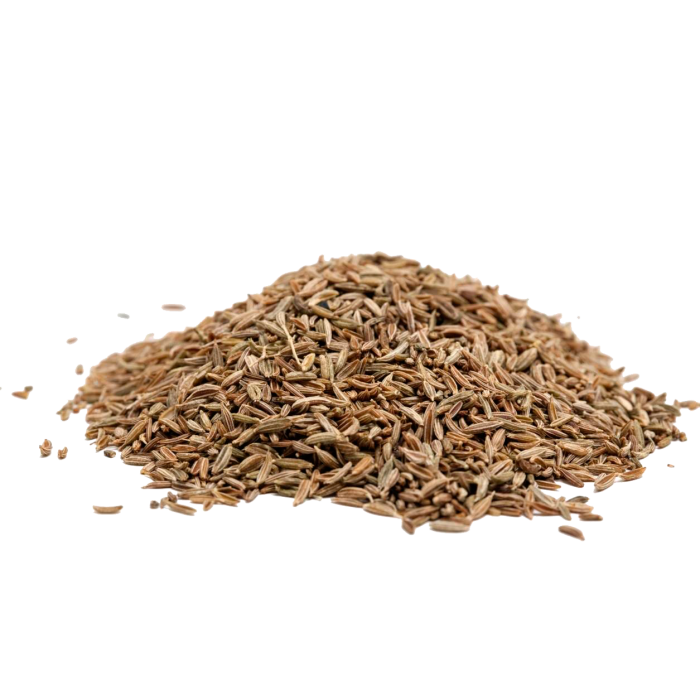
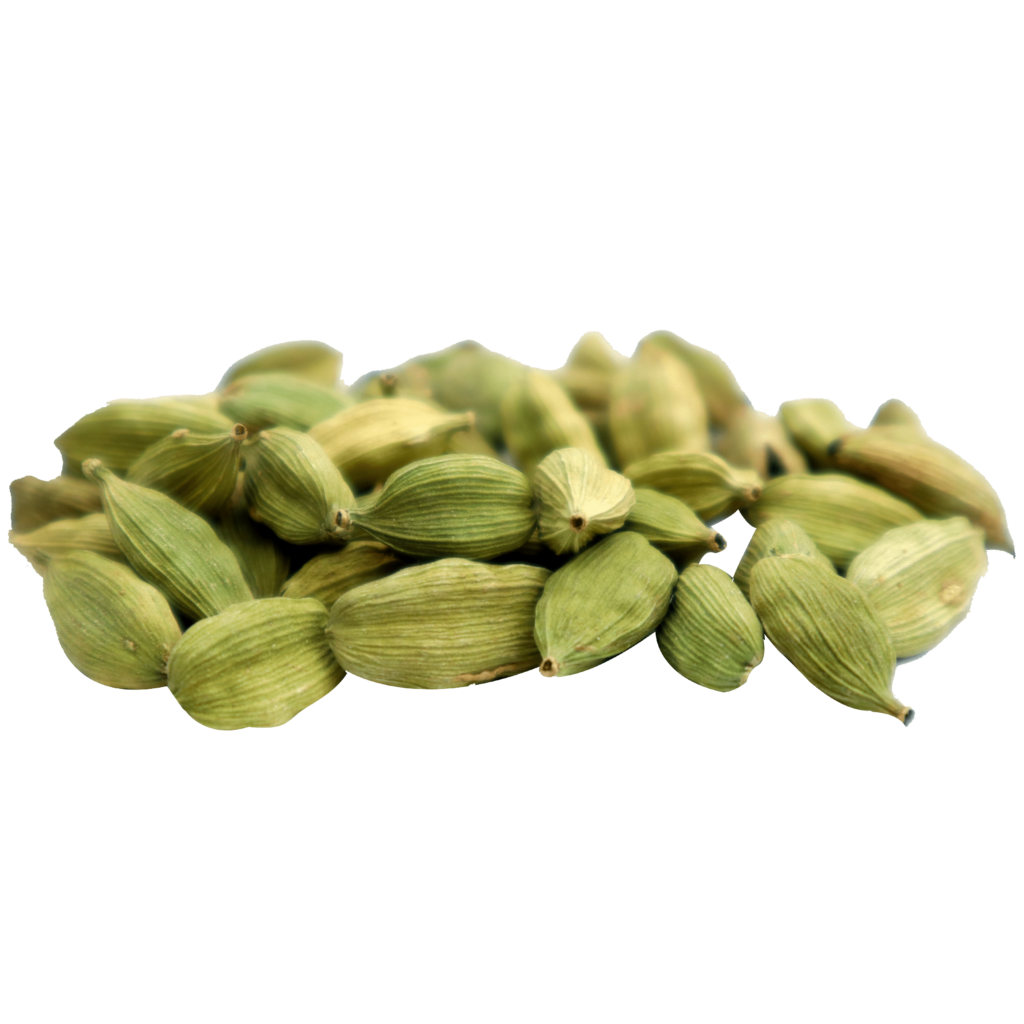
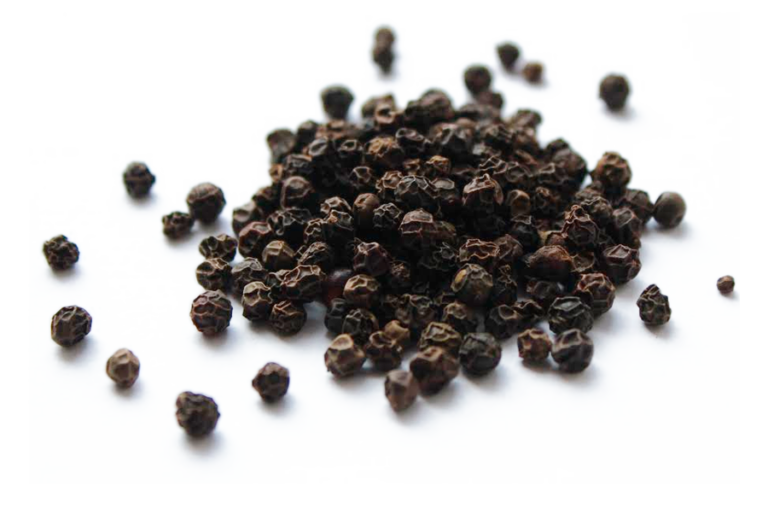
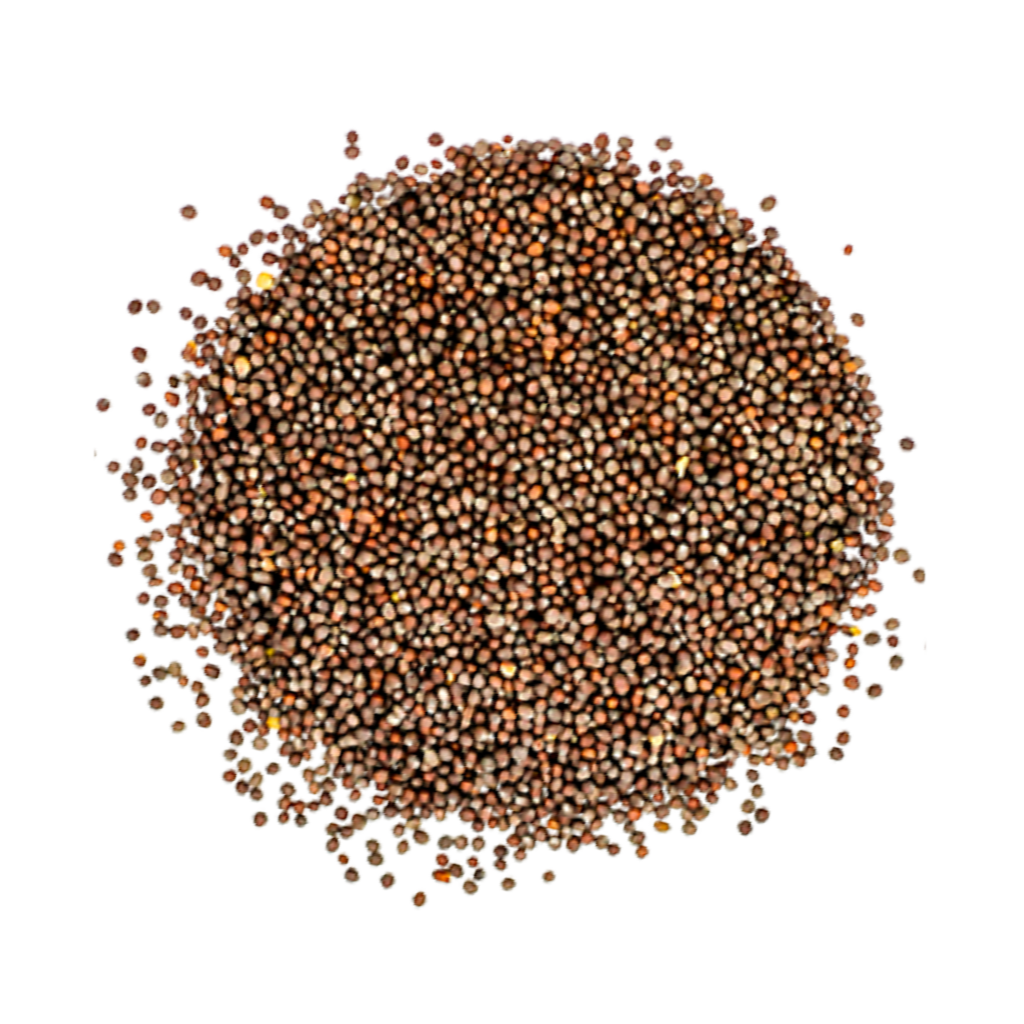
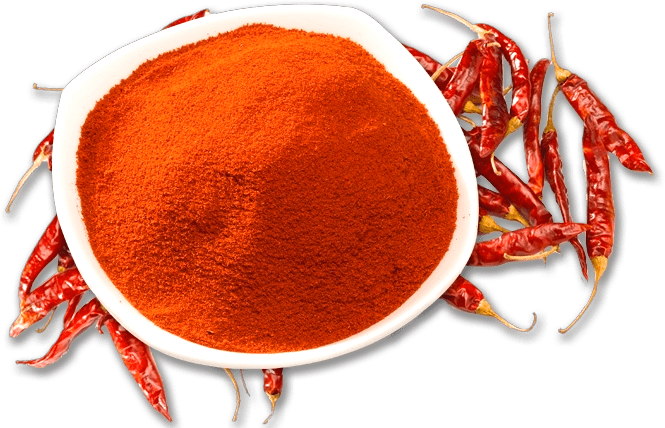
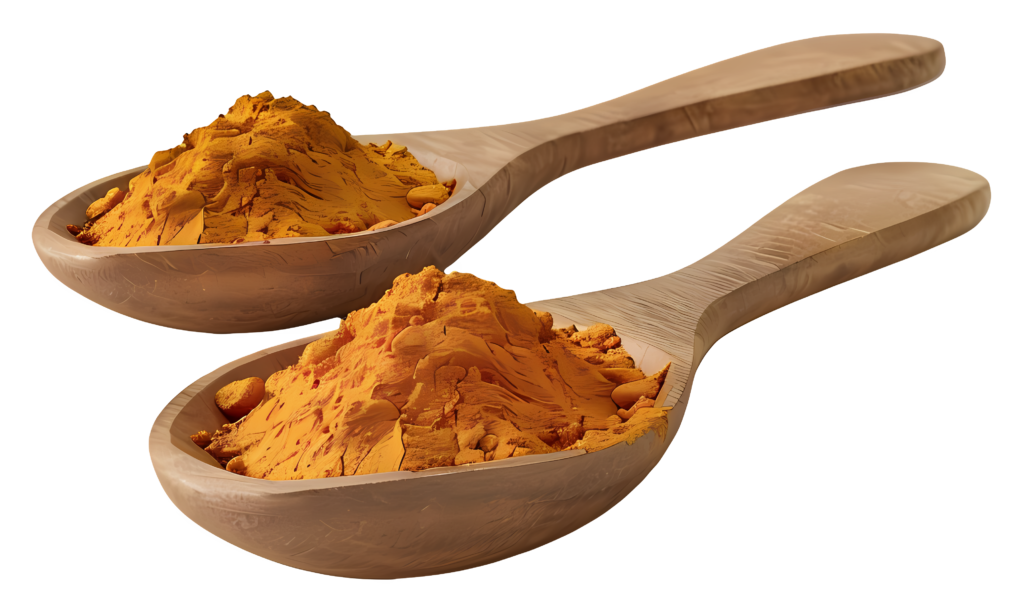
Spices are the quiet storytellers of the kitchen. Long before recipes were written down, roots, seeds, barks, and berries were being crushed to preserve food, heal bodies, and please the senses. In ancient India, spices like turmeric, black pepper, and cardamom were part of daily life and ritual, valued as much for their medicinal qualities as for their aroma. Across civilizations, spices shaped diets, cultures, and even beliefs, turning cooking into an act of both survival and expression.
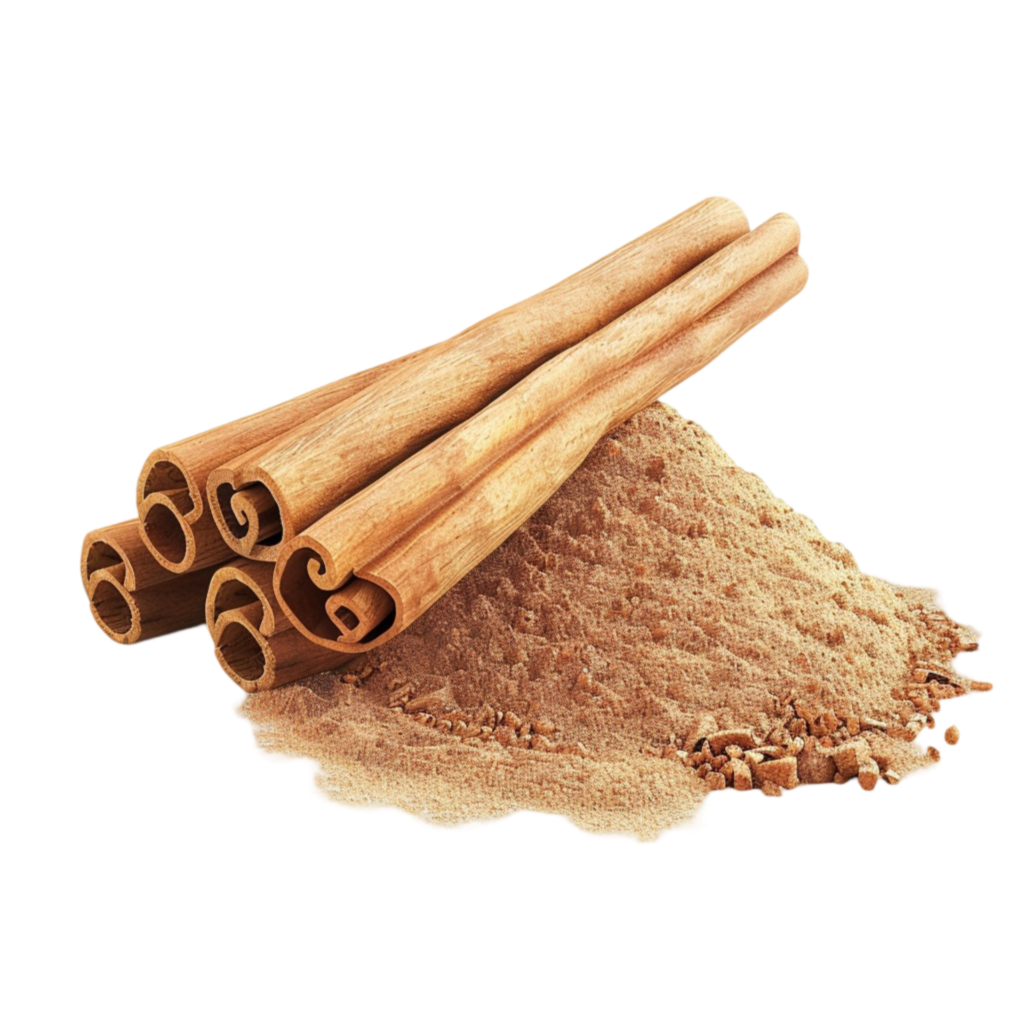
Their journey across the world followed the great trade networks, most famously the Silk Road. This web of land and sea routes connected India, China, the Middle East, Africa, and Europe, carrying spices alongside silk, ideas, and languages. Pepper traveled west in caravans, cinnamon and cloves crossed oceans, and entire empires rose around the control of these precious flavors. Spices were once worth their weight in gold, driving exploration, diplomacy, and sometimes conflict, all in the pursuit of taste and preservation.
Today, spices are no longer rare treasures locked in royal chests. They live in everyday kitchens, tucked into steel boxes and glass jars, grounding modern cooking in ancient history. Every pinch carries echoes of long journeys, bustling markets, and shared tables. Spices remind us that food is never just food. It is memory, movement, and a continuing conversation between cultures, simmering gently with time.