
The New Indian Kitchen: How We’re Cooking & Eating in 2026
Indian food is famous around the world for its amazing smells and bold flavors. But as we move through 2026, the way we cook at home is changing. We are no longer just following old recipes; we are finding new ways to make Indian food faster, healthier, and more exciting. At Masalaway, we see these changes every day in the spices people choose and the tools they buy from our Trading Post.
Let’s dive into the biggest trends in Indian cooking today and see what some of India’s most famous chefs have to say about this flavorful revolution.
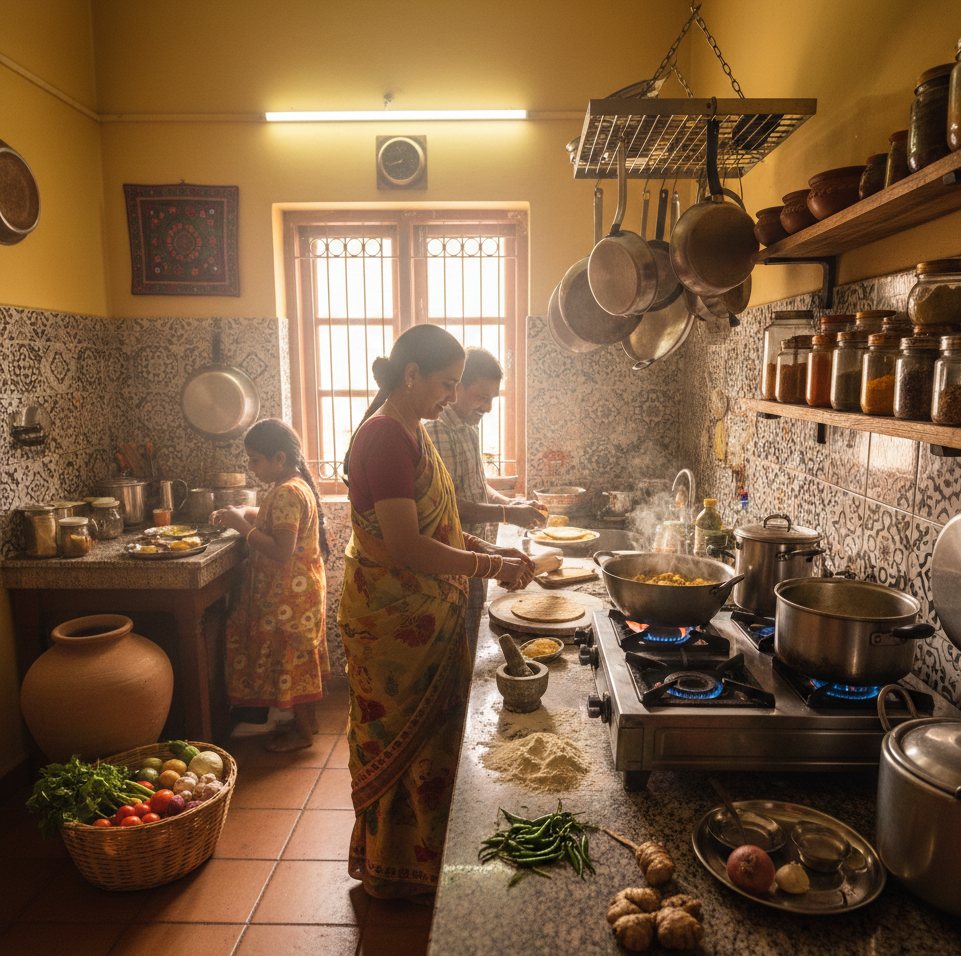
1. The Move Toward "Light and Bright" Flavors
For a long time, many people thought Indian food had to be “heavy”—lots of oil, thick cream, and long cooking times. In 2026, the biggest trend is the exact opposite. Home cooks are looking for “Light and Bright” dishes.
What is changing? Instead of deep-frying vegetables, people are now steaming or lightly sautéing them. We are using less oil and more fresh acids like lemon juice, tamarind, and vinegar to make flavors “pop.” This style of cooking keeps the nutrients inside the food and leaves you feeling energetic instead of sleepy after a meal.
Chef Ranveer Brar’s Insight: He often talks about how “the ingredient is the hero.” In 2026, he encourages cooks to not drown vegetables in heavy gravies. Instead, let the natural crunch of the vegetable stay alive.
The Masalaway Tip: Use a high-quality Iron Kadhai from our Trading Post. Because it holds heat so well, you can sear your veggies quickly with just a drop of oil, keeping them bright and healthy.
2. The Return of Ancient "Super-Grains"
If you walk into a modern Indian kitchen today, you might see more than just white rice and wheat flour. There is a massive return to “Roots Cooking”—using grains that our great-grandparents loved.
The Rise of Millets: Grains like Bajra (Pearl Millet), Ragi (Finger Millet), and Jowar (Sorghum) are everywhere. These are “super-grains” because they are gluten-free, high in fiber, and help keep your blood sugar steady.
Chef Sanjeev Kapoor’s Insight: He has been a big supporter of the “International Year of Millets.” He believes that “Modern India needs ancient wisdom.” He suggests replacing at least one meal a day with a millet-based dish to improve heart health.
Simple Idea: Try making a Ragi Dosa or a Bajra Khichdi. When you season these with Masalaway Jeera and a touch of Ghee, they taste just as comforting as traditional rice dishes but give you much more energy.
3. The "Pure Spice" Movement
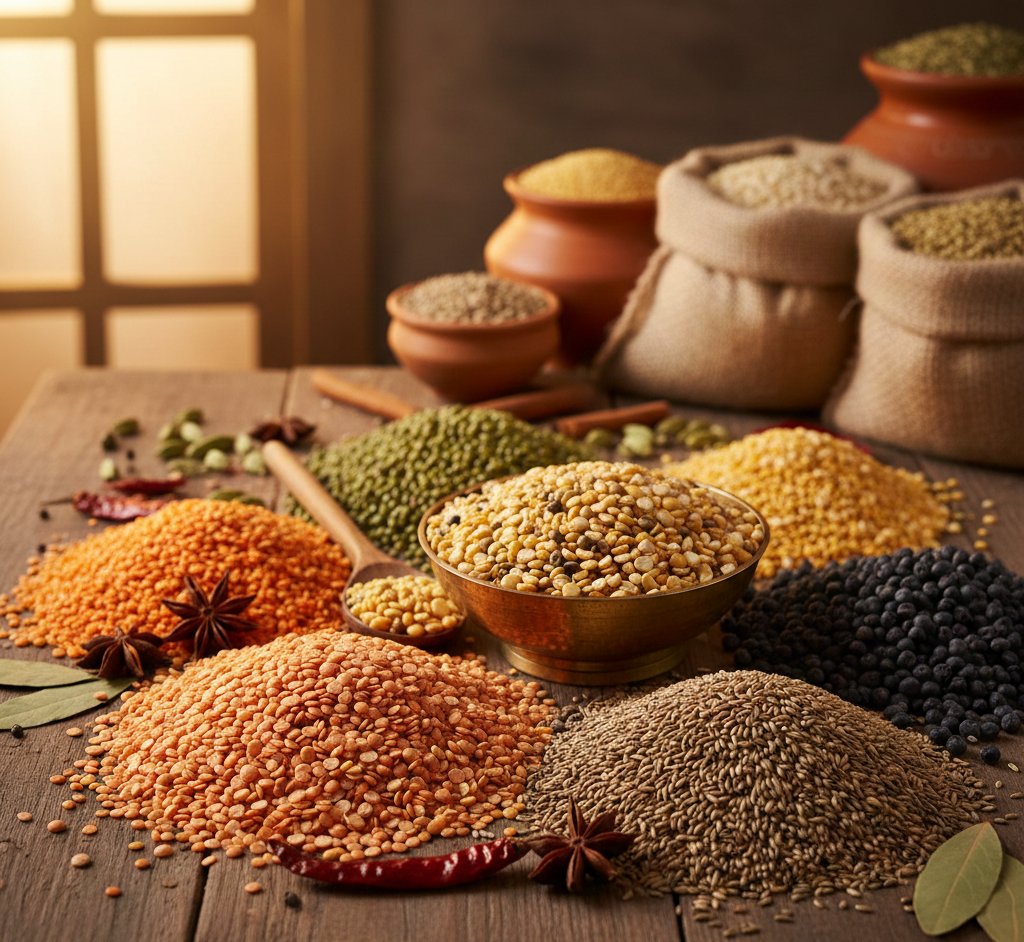
People are becoming very smart about what they put in their bodies. In 2026, the “Cheap Spice” era is over. Cooks now understand that store-bought powders often contain fillers or artificial colors.
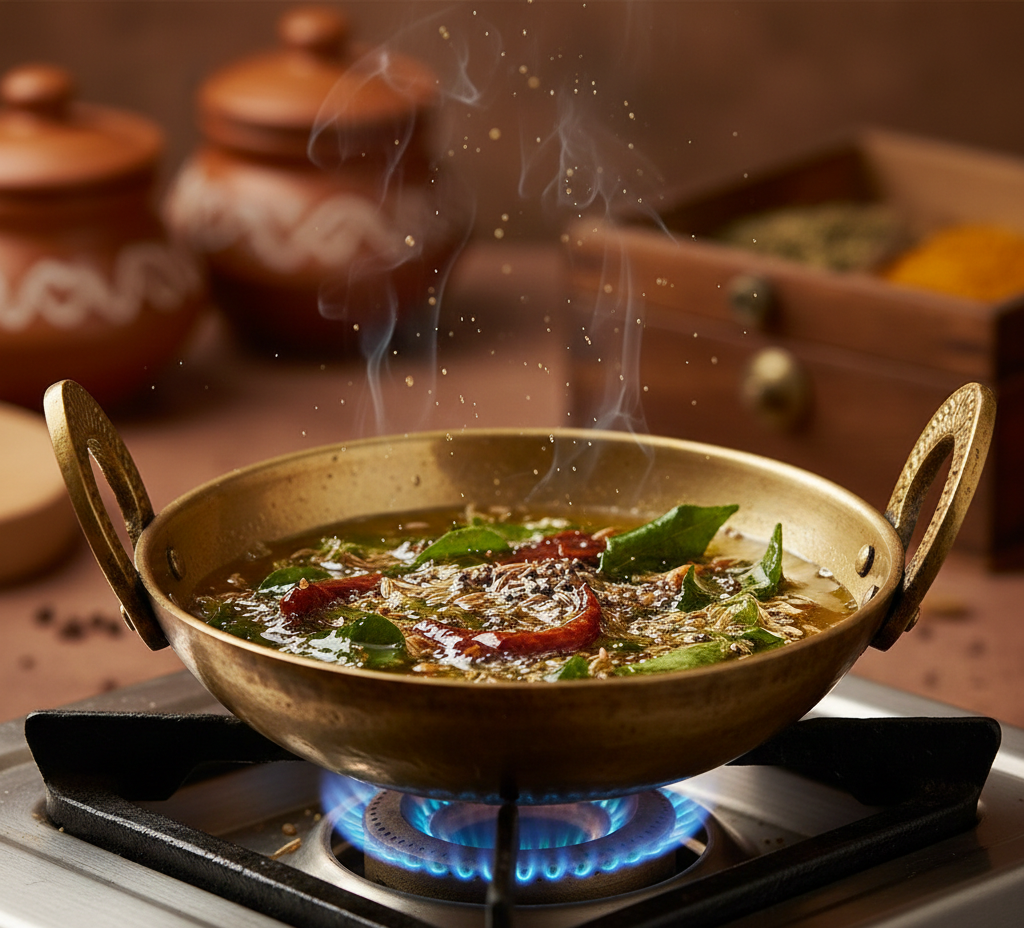
The Trend of Whole Spices: More people are buying whole spices—like Masalaway Peppercorns or Cinnamon Sticks—and grinding them at home. This ensures the essential oils (the stuff that actually makes you healthy) are fresh.
Why it matters: Freshly ground spices have a much stronger aroma. This means you can use less spice to get more flavor, which is better for your digestion.
Trading Post Essential: This is why our Stone Mortar and Pestle has become a best-seller. There is a special joy in crushing your own spices and smelling the immediate release of flavor.
4. Sustainable and Earth-Friendly Cooking
The final trend isn’t just about what we eat, but how we cook. People are moving away from plastic and non-stick pans that peel off into your food.
The Return of Clay and Iron: Cooking in Clay Handis is making a huge comeback. Clay is porous, which means it circulates heat and moisture perfectly. It makes your Dal taste sweet and earthy in a way that metal never can.
Chef Kunal Kapur’s Insight: He often reminds his followers that “the vessel is as important as the recipe.” He advocates for using traditional metals like brass and iron because they add trace minerals to our food and last for a lifetime, reducing waste.
Conclusion: Your Kitchen, Your Rules
The latest trends in Indian cooking show us one thing: we want food that honors our history but fits our modern lives. Whether you are using Masalaway Turmeric to heal your body, or a Cast Iron Pan to cook a 15-minute stir-fry, you are part of this new movement.
Indian cooking in 2026 is about being brave with flavor, kind to your body, and respectful of the earth.
Ready to join the trend?
Explore: Visit our Trading Post to find the Iron and Clay tools the chefs are talking about.
Taste: Explore Masalaway Spice Collection—a set of our 5 most popular whole spices to start your journey into fresh grinding.